Interview · 5 Questions
5 Questions with Jolene Ironside
The former corporate accountant who followed her curiosity all the way into the therapy room, and never looked back.
By S/ME
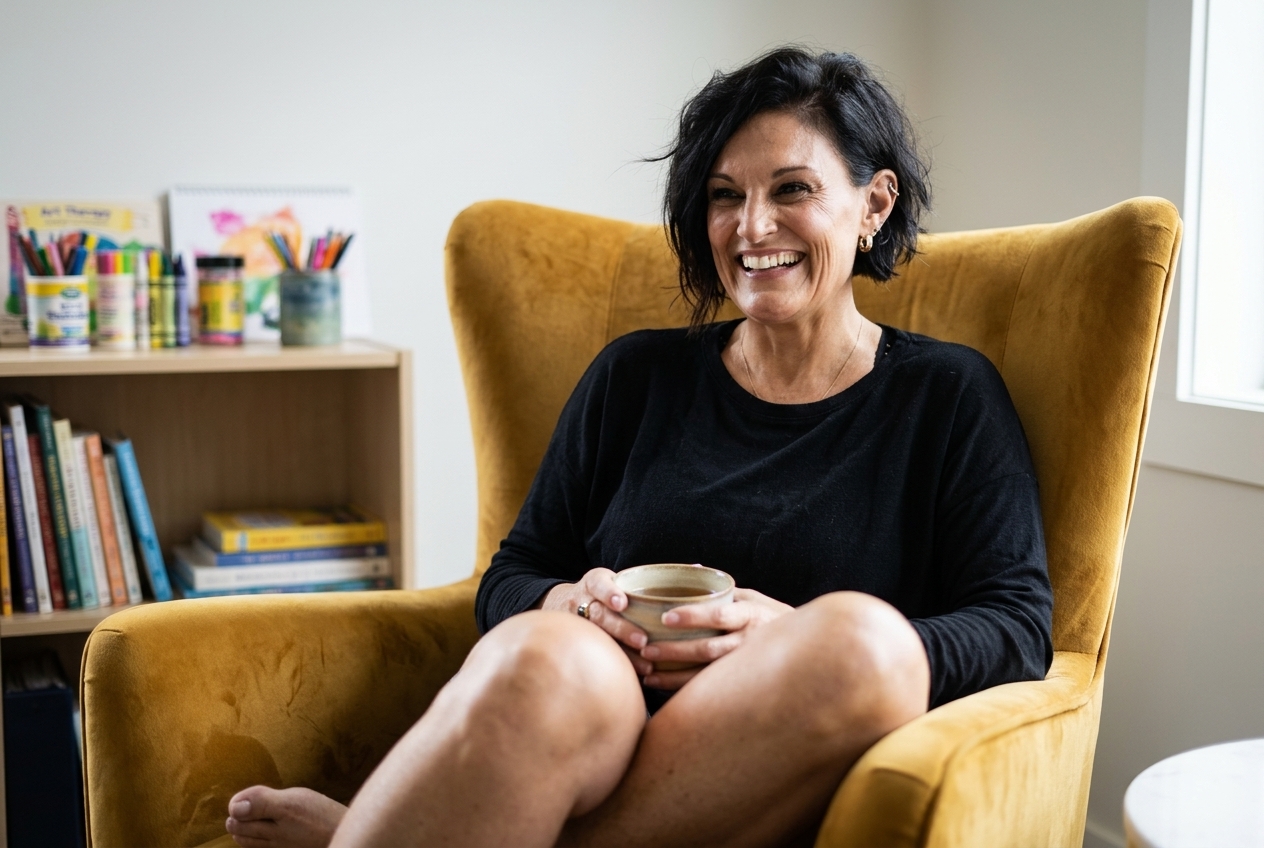
Jolene Ironside built Heart in Mind not from a business plan but from a question she couldn't stop asking herself. What she found along the way has shaped a practice that resists easy categorisation.
1. You trained as an accountant and spent years programming financial systems for large corporations. How on earth did you end up here?
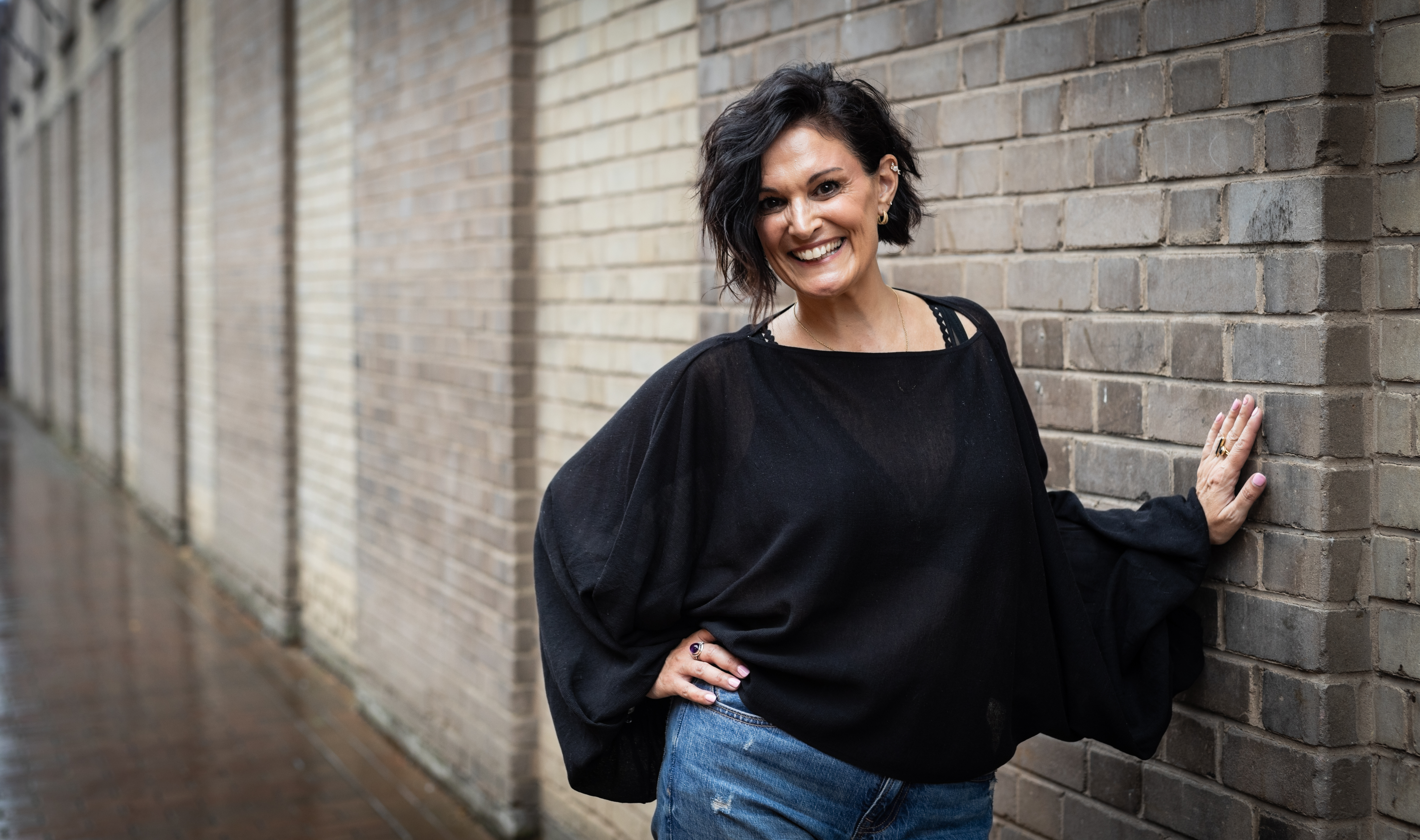
It started with my own childhood trauma and, in my early twenties, a deep curiosity about why I felt and responded to things the way I did. I began exploring holistic therapies alongside my career in finance, and the two ran in parallel for years. Looking back, it doesn't feel as though I made a sudden decision to become a therapist. It feels much more like something I kept following, this persistent desire to understand what sits underneath our thoughts, behaviours and feelings. The accounting and programming work wasn't wasted, either. The curiosity, pattern recognition and problem-solving I developed then are still very much part of how I work today.
2. Tell us what Heart in Mind actually does, and who it's really for.
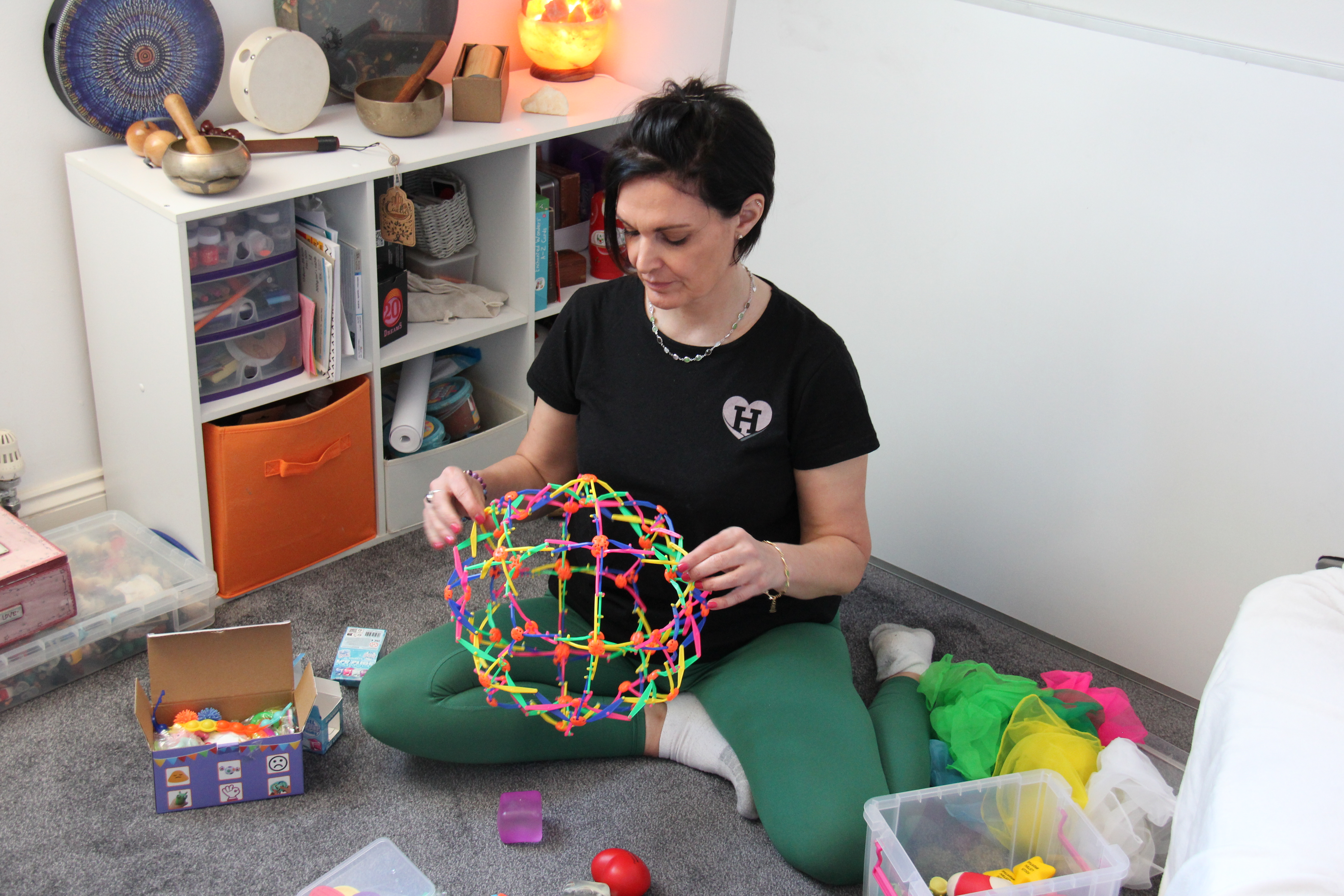
Heart in Mind brings together neuroaffirming therapy, trauma work and somatic and nervous system approaches for children, young people and adults. My ideal client is someone who has spent a long time feeling misunderstood or overwhelmed, or as though they need to change themselves to fit the world around them. I work particularly with neurodivergent children, teenagers, adults and families, but what matters most is creating a space where someone can bring their whole self, not just the parts that are easiest to explain.
3. There's a myth that therapy means sitting opposite someone and talking about your feelings. What's the reality?
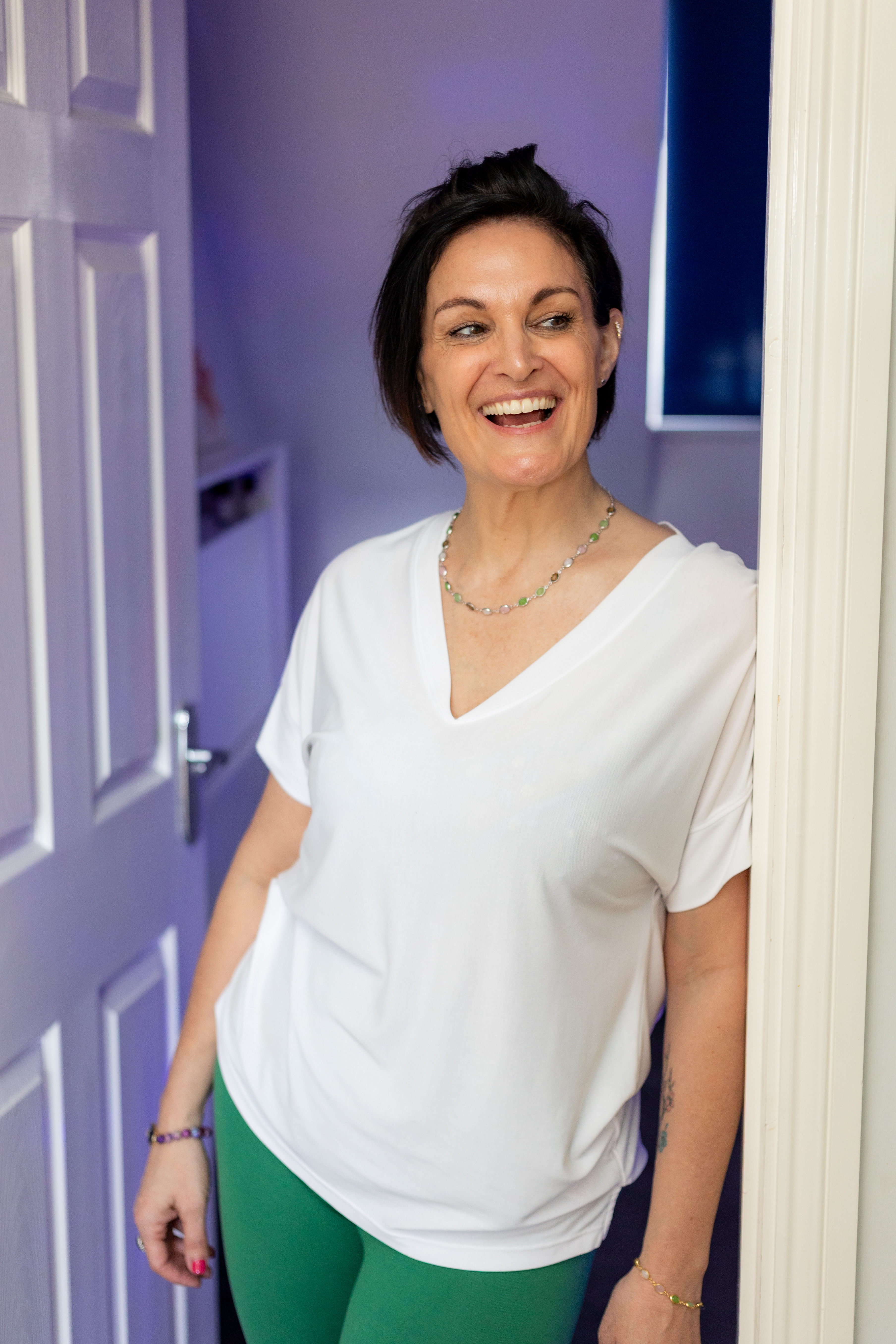
For some people, being asked 'how do you feel?' across a room is genuinely one of the hardest things you can ask of them. This is particularly true for neurodivergent people, where processing, interoception or finding words for internal experiences may work quite differently. Therapy can happen through creativity, movement, sensory exploration, play, breath, the body, even silence. Sometimes the most important thing happening in a session isn't being said at all. I don't expect the person to fit my way of working — my job is to find a way of working that fits them.
4. What's brought you the most pride in building this practice?
I find that question difficult because I don't really measure my work in achievements. I'm proud that I left a well-established career and built something around work that feels deeply meaningful. But the moments that stay with me are smaller than that: connecting with a young person and genuinely understanding how they experience their world; helping a family see their child through a neurodivergent lens rather than through the lens of behaviour; watching someone move from simply surviving their environment towards actually being able to thrive within it. Those are the moments I hold onto.
5. Where do you want Heart in Mind to be in three years, and what have you learnt about how not to get there?
I want to reach more people without stretching myself thinner to do it. That means developing accessible resources and programmes for neurodivergent people and families alongside my clinical work, and creating space for writing and speaking. The hardest lesson has been learning that I can't help everybody, and that caring deeply doesn't mean carrying everything. When your business is built around work you genuinely care about, the line between giving and over-giving gets blurry. I've had to learn that my own capacity matters too, and I'm still learning it, if I'm honest.
Choose Heart In Mind
• Neuroaffirming integrative counselling using the arts for children, teenagers and adults • Autism and ADHD-informed therapeutic support • Trauma therapy • Somatic and nervous system-informed therapy and coaching • Neurodivergent identity, masking and burnout • Sensory processing and sensory wellbeing • ADHD coaching • Breathwork, mindfulness and therapeutic movement • Support for parents and families of neurodivergent children and young people • Safe and Sound Protocol (SSP) • Holistic therapies including Kinesiology, Reiki and Indian Head Massage
This feature was created for an S/ME member
Your business could be next →

Keep reading

Spotlight
LeaseAssured Explains When a Small Business Should Involve a Commercial Lease Solicitor
Daniel Yeo · LeaseAssured

Interview
5 Questions with Juliet Fisher
Juliet Fisher · Juliet Fisher Creatives
Spotlight
Strategy, Not Vanity: The Quiet Power of Tracy Dixon
Tracy Dixon · The Marketing Depot Limited

Join Us